


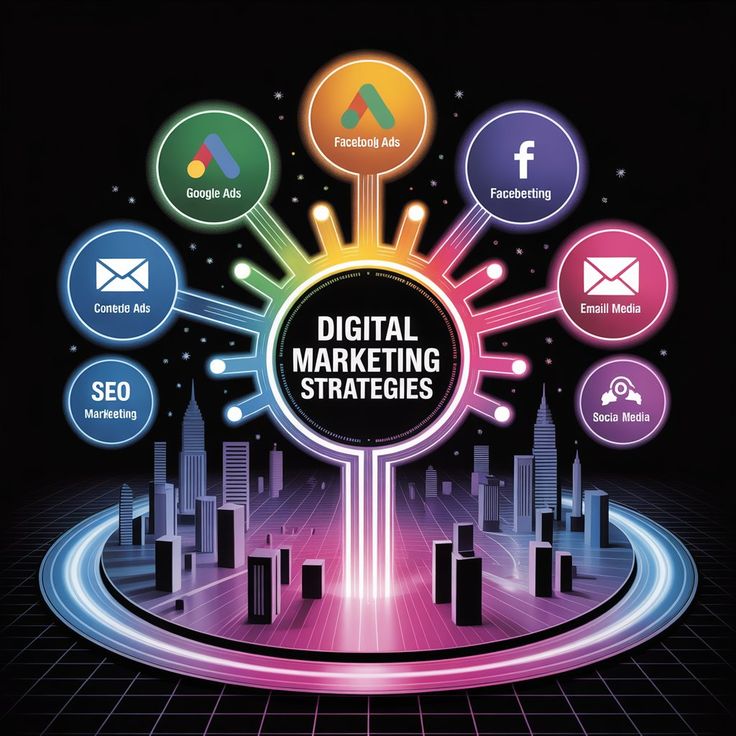
Introduction: A Structural Shift in Digital Discovery
Digital marketing has always adapted to technological change. From keyword-stuffed webpages to mobile-first indexing and voice search, each shift redefined visibility. In 2026, the most transformative shift yet is underway: the rise of the Answer Economy.
In this new environment, users increasingly rely on AI-driven systems to provide direct, synthesized answers rather than lists of links. As a result, brands must move beyond traditional Search Engine Optimization (SEO) and embrace Generative Engine Optimization (GEO).
The future of digital marketing will not belong solely to those who rank — it will belong to those who are referenced.
What Is the Answer Economy?
The Answer Economy is a digital ecosystem where AI engines deliver consolidated, conversational responses to user queries. Instead of navigating multiple websites, users now ask AI systems complex questions and receive immediate, structured summaries.
For example, users might ask:
- “What are the top digital marketing strategies for 2026?”
- “Which platforms lead in AI-powered advertising?”
- “How can brands increase authority in generative search?”
Rather than presenting ten search results, AI systems analyze vast datasets and generate a single comprehensive answer. If your brand is not included in that synthesis, visibility drops dramatically.
Why SEO Alone Is No Longer Enough
SEO remains important, but it is no longer sufficient on its own. Ranking well does not guarantee inclusion in AI-generated summaries.
Traditional SEO focuses on:
- Keyword targeting
- Backlink acquisition
- Technical site performance
- Search result positioning
GEO focuses on:
- Being cited in AI-generated answers
- Building strong topical authority
- Creating structured, machine-readable content
- Establishing contextual brand presence across the web
The shift is subtle but powerful. Visibility now depends on inclusion, not just ranking.
The Core Pillars of GEO
1. Topical Authority
AI systems prioritize brands that demonstrate consistent expertise within a clearly defined niche. Publishing scattered content across unrelated topics weakens semantic positioning.
Instead, build comprehensive content clusters around your core expertise. Develop in-depth guides, research-backed insights, and forward-looking analysis.
The clearer your specialization, the more likely generative engines will associate your brand with relevant queries.
2. Information Gain
Generative systems aim to avoid redundancy. Content that merely repeats common advice adds little value.
To strengthen GEO performance, focus on:
- Proprietary data
- Real campaign case studies
- Unique frameworks
- Industry predictions
- Comparative analysis
Original insights increase the probability of being referenced in AI-generated outputs.
3. Structured Clarity
AI engines interpret structured information more effectively than vague promotional language.
Optimize content by:
- Using clear headings and subheadings
- Including concise definitions
- Organizing information logically
- Presenting key points in bullet format
- Maintaining consistent terminology
Clarity improves machine comprehension and citation potential.
Expanding Authority Beyond Your Website
GEO is influenced by your broader digital footprint. AI systems analyze contextual mentions across multiple sources to assess credibility.
For example, contributing high-quality insights to platforms like noodle magazine can enhance semantic associations within your industry. When AI systems encounter consistent, authoritative mentions of your brand, inclusion likelihood increases.
The objective is meaningful authority, not mass exposure.
Measuring Success in the Answer Economy
Traditional metrics such as clicks and impressions remain useful, but new indicators must be added.
Brands should track:
- Frequency of AI-generated brand mentions
- Competitive inclusion rates
- Context and sentiment of AI citations
- Consistency of positioning in generative responses
Generative visibility becomes a leading indicator of long-term performance.
Integrating SEO and GEO for 2026
The most effective strategy combines both disciplines.
SEO ensures your content remains discoverable.
GEO ensures your brand becomes part of the answer.
To pivot successfully in 2026, digital marketers should:
- Maintain strong technical SEO foundations
- Prioritize original, high-value insights
- Strengthen contextual mentions through a guest post marketplace
- Expand authoritative presence on platforms like noodlemagazine
- Regularly evaluate AI-generated outputs for brand inclusion
Publishing thought leadership through a guest post marketplace strengthens brand authority across the web. Strategic placements ensure your expertise appears in relevant and credible contexts. This integrated approach positions your brand for sustained visibility.
The Competitive Advantage of Early Adaptation
The Answer Economy is still evolving, which creates opportunity for forward-thinking brands. Those who adapt early can secure strong generative positioning before the landscape becomes saturated.
Digital marketing is no longer just about driving traffic. It is about shaping the answers that guide decisions.
In 2026, success will belong to brands that understand this shift — and pivot accordingly. Mastering GEO is not just an upgrade to SEO. It is the foundation for thriving in a world where AI defines discovery.
In the Answer Economy, the brands that are cited are the brands that are chosen.
